
Beyond Eye Drops: How LLLT Therapy Helps Treat Dry Eye at the Source
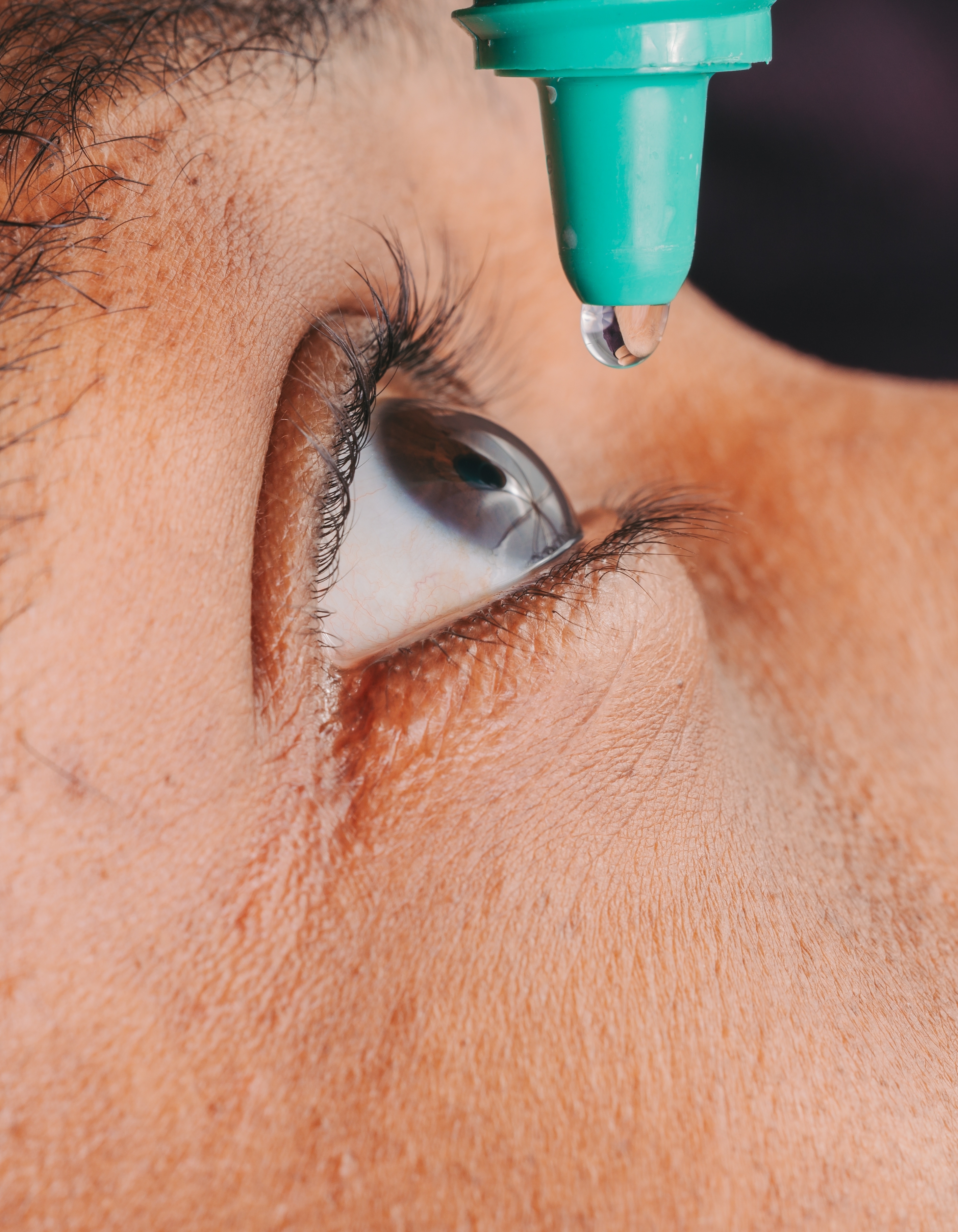
Dry, burning, watery, or irritated eyes are not always caused by a simple lack of tears. For many patients, ongoing symptoms are connected to poor tear quality, eyelid inflammation, or meibomian gland dysfunction. These conditions can cause tears to evaporate too quickly, which is why artificial tears may provide only temporary relief.
Low-level light therapy, commonly called LLLT, offers a more targeted approach. By addressing factors that contribute to dry eye rather than only coating the eye’s surface, LLLT therapy may help improve comfort and support a healthier tear film.
Why Eye Drops Are Not Always Enough
Lubricating eye drops can be useful for mild or occasional irritation. However, they do not always address blocked or poorly functioning meibomian glands. These small glands along the eyelids release oils that help keep tears from evaporating.
When the glands are not working properly, patients may experience symptoms such as:
• Burning, stinging, or gritty sensations
• Red or irritated eyes
• Excessive watering
• Blurry or fluctuating vision
• Sensitivity to light
• Discomfort while wearing contact lenses
Persistent symptoms should be evaluated through a dry eye examination. Identifying the cause allows Dr. Patel to recommend treatment based on the condition of the tear film, eyelids, and oil glands.
How LLLT Therapy Works
LLLT is a noninvasive treatment that uses controlled LED light around the eyelids and surrounding tissue. This process, known as photobiomodulation, is designed to support natural cellular activity, improve gland function, and help reduce inflammation associated with certain forms of dry eye.
The gentle light may also warm the eyelid area, helping soften thickened oils within the meibomian glands. When these oils flow more effectively, they can strengthen the outer layer of the tear film and slow tear evaporation.
What to Expect During Treatment
LLLT therapy is performed in the office and does not involve needles or incisions. Protective eyewear is used while the device delivers light to the treatment area. Sessions are comfortable, and patients can typically return to normal activities afterward.
A series of treatments may be recommended depending on the severity and cause of the symptoms. LLLT may also be combined with at-home eyelid care, prescription eye drops, nutritional guidance, or other in-office dry eye treatments as part of a personalized plan.
Discover a More Targeted Approach to Dry Eye in Malvern
Dry eye treatment should focus on more than short-term symptom relief. A comprehensive evaluation at Best Eye Vision can help determine whether meibomian gland dysfunction, inflammation, allergies, medication use, or another factor is affecting the tear film. From there, Dr. Patel and our team can recommend an appropriate treatment plan for your eyes.
Schedule a dry eye evaluation with Best Eye Vision to learn whether LLLT therapy may be right for you. Contact our office in Malvern, PA, by calling (610) 477-2830 to book an appointment today.
Helpful Articles
All Eye Care Services
Find personalized eye care excellence with our comprehensive services. From eye exams to advanced diagnostics, trust us for all your vision needs.
Keep In Touch
For non-urgent questions or to learn more about our services, contact us today!
© 2026 Best Eye Vision. All rights Reserved - Accessibility Statement - Privacy Policy - Sitemap
Managed and Designed by 